
Summer has arrived, and it’s time to fire up the backyard grill. Though many of us are trying to eat less beef for environmental reasons, it’s hard to resist indulging in an occasional steak — and you’ll want to make the most of the experience.
Meat scientists (many of them, unsurprisingly, in Texas) have spent whole careers studying how to produce the tenderest, most flavorful beef possible. Much of what they’ve learned holds lessons only for cattle producers and processors, but a few of their findings can guide backyard grill masters in their choice of meat and details of the grilling process.
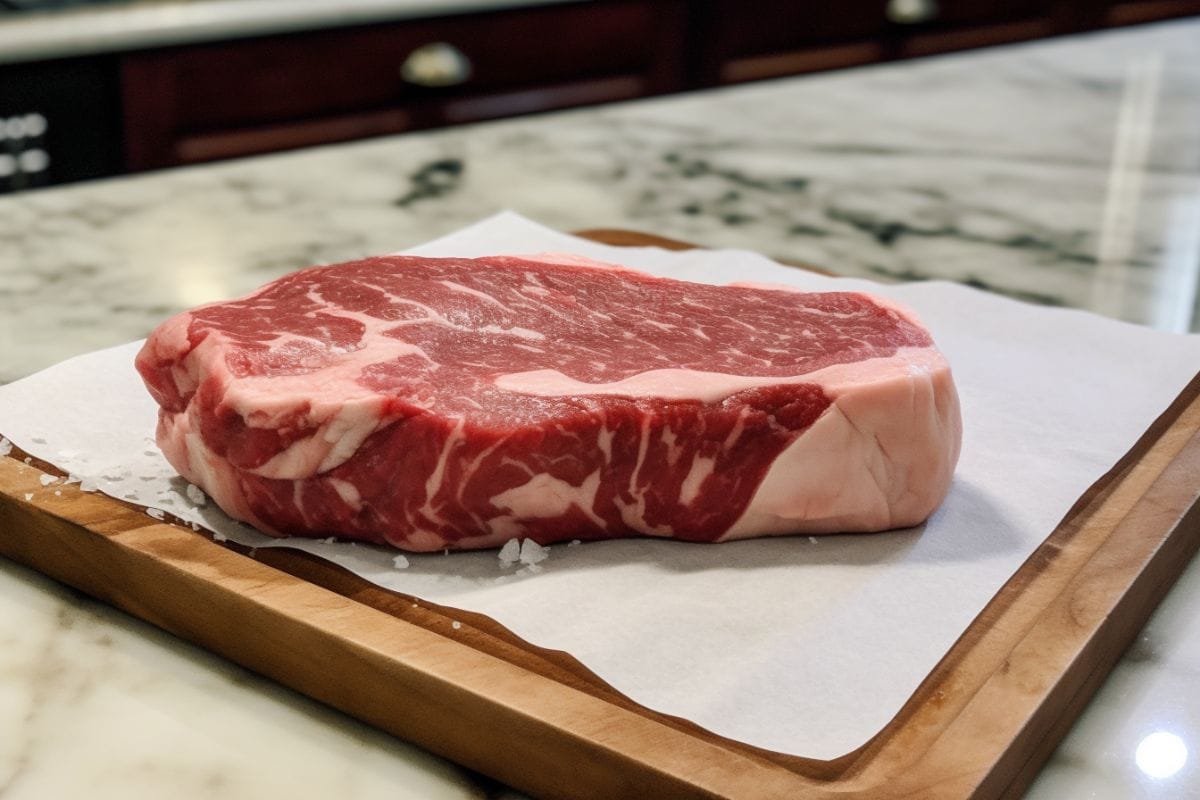
Let’s start with the choice of meat. Every experienced cook knows that the lightly used muscles of the loin, along the backbone, have less connective tissue and thus give tenderer results than the hard-working muscles of the leg. And they know to look for steaks with lots of marbling, the fat deposits between muscle fibers that are a sign of high-quality meat. “If you have more marbling, the meat will be tenderer, juicier, and it will have richer flavor,” says Sulaiman Matarneh, a meat scientist at Utah State University who wrote about muscle biology and meat quality in the 2021 Annual Review of Animal Biosciences.
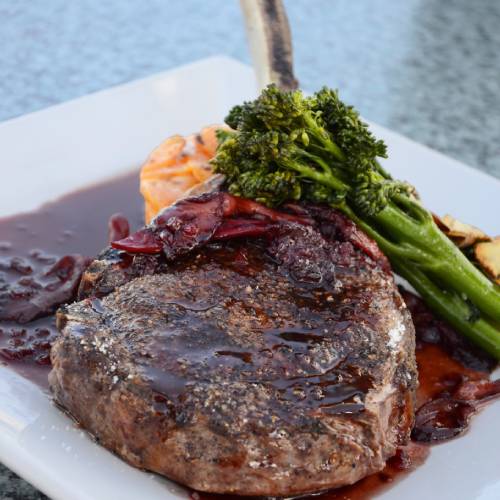
From a flavor perspective, in fact, the differences between one steak and the next are mostly a matter of fat content: the amount of marbling and the composition of the fatty acid subunits of the fat molecules. Premium cuts like ribeye have more marbling and are also richer in oleic acid, an especially tasty fatty acid — “the one fatty acid that frequently correlates with positive eating experience,” says Jerrad Legako, a meat scientist at Texas Tech University in Lubbock. Sirloin, in contrast, has less oleic acid and more fatty acid types that can yield less appealing, fishy flavor hints during cooking.
That fatty acid difference also plays out in a big decision that consumers make when they buy a steak: grain-fed or grass-fed beef? Grain-fed cattle — animals that live their final months in a feedlot eating a diet rich in corn and soybeans — have meat that’s higher in oleic acid. Animals that spend their whole life grazing on pasture have a higher proportion of omega-3 fatty acids, polyunsaturated fatty acids that break down into smaller molecules with fishy and gamy flavors. Many consumers prefer to buy grass-fed beef anyway, either to avoid the ethical issues of feedlots or because they like that gamy flavor and leaner meat.